
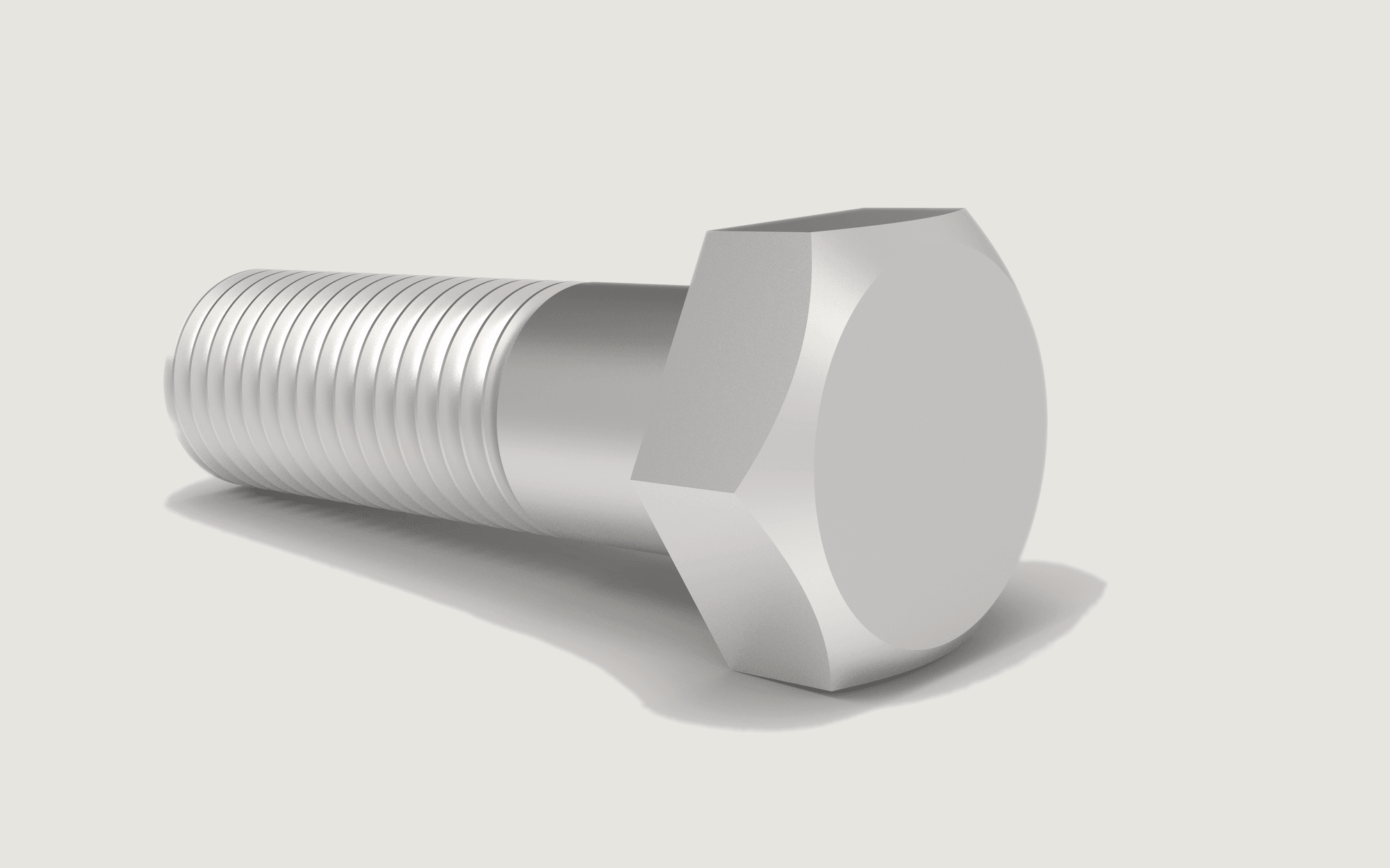
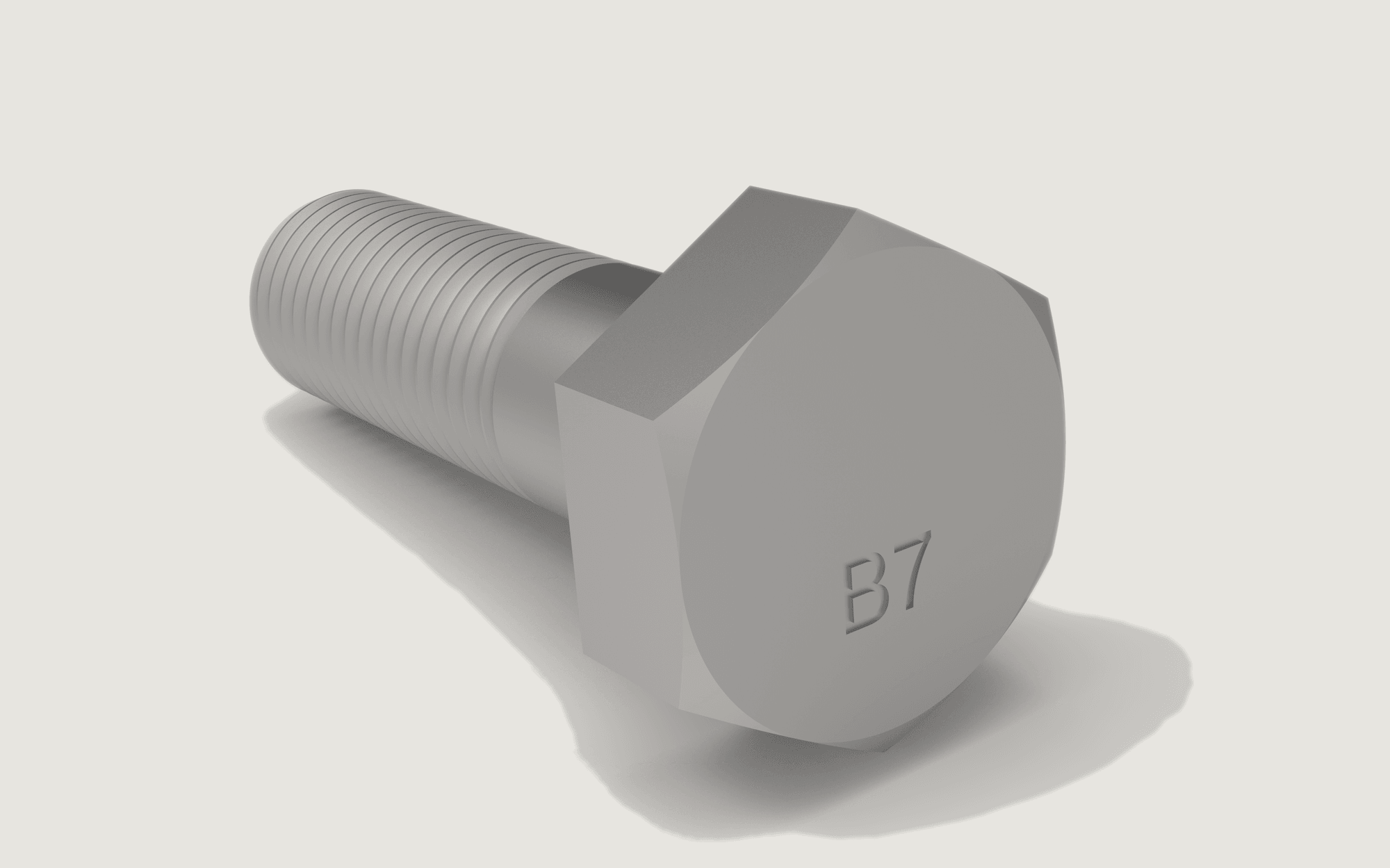
The Difference Between Aerospace-Grade and Commercial Fasteners

Why “Aerospace-Grade” Means Something Real

The phrase “aerospace-grade” gets tossed around a lot — often as a marketing buzzword for anything described as strong or precise. But in reality, aerospace-grade fasteners are a category apart: spec-driven, traceable, and rigorously tested components designed for mission-critical performance.

In aviation and defense, where vibration, heat, and fatigue converge, every connection must be verified down to its chemical composition. As aerospace technology increasingly influences commercial and industrial systems — from drones to high-performance vehicles — understanding what truly makes a fastener “flight-ready” is more important than ever.

What Defines an Aerospace Fastener

Aerospace fasteners are manufactured and inspected to meet NAS, MS, AN, and AS standards — National Aerospace Standards, Military Standards, Air Force-Navy specifications, and industry-wide Aerospace Standards.

Each designation enforces tight dimensional tolerances, strict heat-treatment requirements, and 100 percent batch-level inspection. These fasteners must demonstrate both mechanical performance and documentation traceability, from raw material melt to final finish.

Common examples include NAS1351 socket head screws, MS20073 hex bolts, and AN3 bolts — hardware used in primary flight structures, landing gear, and engine mounts. The defining characteristic is accountability: every part can be traced back to the source of its material and the processes it underwent.

Material Composition & Performance

Performance begins with material selection. Aerospace fasteners are made from alloys that balance strength, weight, and corrosion resistance under extreme service conditions:

  • Titanium alloys — exceptionally strong yet lightweight, ideal for airframes and control surfaces.

  • Inconel / A286 — nickel-based alloys engineered to maintain strength at temperatures exceeding 1,200 °F; commonly used in turbines and exhaust assemblies.

  • Stainless steels (B8, 316, and precipitation-hardened grades) — used where corrosion resistance outweighs weight constraints, such as cabin systems and secondary structures.

Commercial fasteners, by contrast, are typically carbon-steel or standard stainless products, optimized for cost and availability rather than for the extreme fatigue cycles and thermal gradients of flight environments. The difference is measurable: aerospace-grade fasteners deliver higher tensile strength per weight and superior resistance to stress corrosion and creep.

Manufacturing Precision & Testing

Building flight-critical hardware requires precision far beyond everyday industrial production. Aerospace fasteners undergo:

  • Precision forging to control grain flow and eliminate internal voids.

  • Heat treatment and stress relief for predictable mechanical properties.

  • Non-destructive testing (NDT) such as magnetic particle, dye-penetrant, and ultrasonic inspection.

  • Torque-tension validation and fatigue testing to verify preload behavior under vibration.

Every process step is recorded and certified. In commercial fastener manufacturing, sampling inspection is often sufficient; in aerospace production, every lot — and often every part — must pass verification testing.

Certification, Traceability & Compliance

Aerospace fasteners are delivered with a complete certification package documenting every step of manufacture and inspection:

  • Material Test Reports (MTRs) confirming chemical and mechanical properties.

  • Lot and batch traceability linking each fastener to its melt source.

  • Process certifications aligned with AS9100 / ISO 9001 quality systems.

  • DFARS and domestic-material compliance where required for defense contracts.

This level of traceability ensures that if a single bolt in a batch fails testing, its entire production history can be reviewed.

At California Fastener, our quality-assurance systems mirror these expectations — ensuring documentation accuracy, reliable fulfillment, and confidence for aerospace, defense, and advanced-manufacturing clients.

When the Wrong Fastener Makes the Difference

Imagine a load-bearing assembly where a commercial-grade bolt replaces a certified aerospace part.

Even if the dimensions match, the internal structure and surface treatment may not. The result could be premature fatigue, micro-cracking under vibration, or galvanic corrosion between dissimilar metals — failures that can compromise safety long before visible damage appears.

In aerospace applications, the margin for error is zero. Substituting uncertified hardware introduces risk that rigorous specifications are designed to eliminate.

California Fastener’s Role in Aerospace Supply

California Fastener supports aerospace and defense programs with a full range of NAS, MS, AN, and AS-standard fasteners, available in titanium, stainless, and high-temperature alloys.

We provide:

  • Complete traceability and certification packages for audit compliance.

  • Pre-kitted hardware and labeling to simplify assembly and inspection.

  • Proven on-time delivery through domestic manufacturing and strategic sourcing.

  • A compliance-first culture rooted in decades of serving industrial, military, and OEM customers.

Our mission is straightforward: deliver reliable, specification-driven hardware that performs where failure isn’t an option.

FAQs

Q: Can commercial fasteners ever be used in aerospace?
A
: Only in non-critical or ground-support equipment — and even then, with engineering approval.

Q: Are aerospace fasteners stronger than commercial ones?
A
: Generally, yes. They exhibit higher tensile and fatigue strength relative to their weight, plus verified performance under temperature and vibration.

Q: What’s the difference between NAS and MS hardware?
A
: NAS (National Aerospace Standard) parts follow industry-wide aerospace specifications; MS (Military Standard) parts meet U.S. DoD requirements. They can overlap but are not identical.

Q: How are aerospace fasteners tested?
A
: Through tensile, torque-tension, fatigue, and non-destructive testing verified by certified laboratories.

Precision Where Failure Isn’t an Option

Aerospace-grade hardware isn’t about marketing — it’s about engineering integrity. Every bolt, nut, and stud represents thousands of hours of testing, documentation, and quality control designed to ensure reliability in the most demanding environments.

At California Fastener, we bring that same commitment to every industry we serve — because whether it’s holding an airframe together or securing a structural beam on the ground, performance and precision should never be optional.

Contact us to source spec-compliant aerospace fasteners built to meet AS, NAS, and MS standards.

Previous
Previous

Corrosion Resistance in Flight — How Fasteners Endure the Elements

Next
Next

Fastening the Future of Solar — Lessons from Michigan’s 125 MW PV Project